







Search Results for: Hang'er style
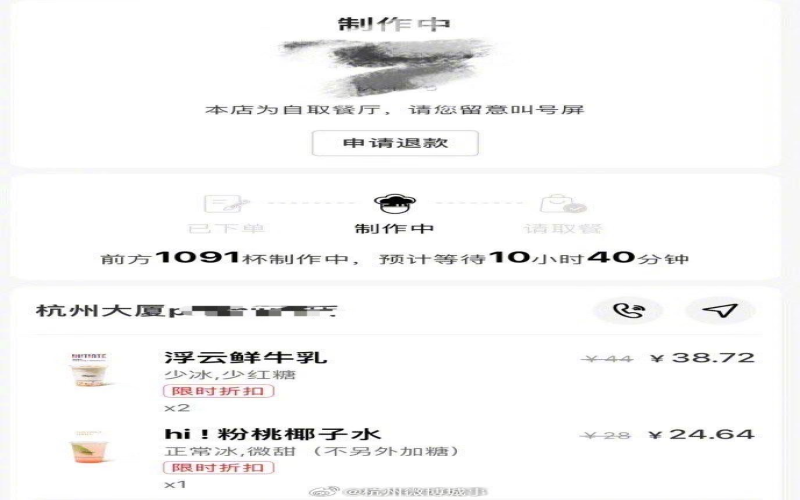
Hangzhou's internet-famous milk tea has queues exceeding 10 hours—is it consumers following the trend or hunger marketing?
After the first Hangzhou store of BONJOUR, a Suzhou milk tea brand, opened, its online ordering showed over a thousand cups in production ahead, with wait times often reaching seven to eight hours or even more than ten. Consumers posted screenshots of their orders, sparking heated debate: Is a cup of milk tea worth such a long wait? A reporter's visit found no long lines on site, but chaotic pickup and sold-out popular items. Some consumers admitted the taste was nothing special and they were just following the trend. Netizens questioned whether this was hunger marketing and suggested waiting for this "Hangzhou fad" to pass before trying. This article will explore the phenomenon and reflections behind this milk tea queue controversy. [more…]
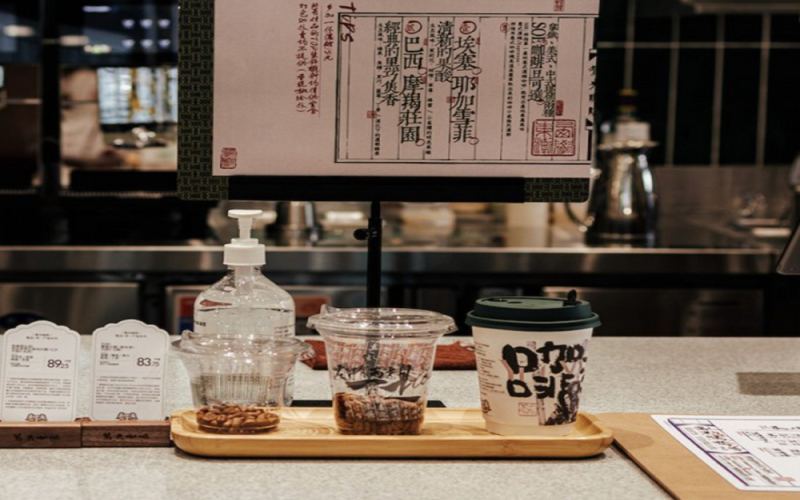
From Guochao Design to Local Flavors: How Chinese-Style Coffee Is Forging Its Own Path
In recent years, cafés featuring elements of traditional Chinese culture have been springing up one after another, and coffee, this imported product, is accelerating its path toward Sinicization. From new-style tea beverage brands跨界 opening coffee shops, to domestic local brands driving down prices to cultivate the market, to industry practitioners proposing that Chinese-style coffee should have its own mode of expression, this path is full of both opportunities and challenges. This article sorts out the evolution of coffee in China from the instant coffee era to the specialty coffee wave, and explores the current state and future of new Chinese-style coffee—innovation can attract the masses, but only professionalism, the cultivation of local bean varieties, and deep cultivation of the Yunnan production region can truly make Chinese-style coffee remembered by the world. At the end of the article, Front Street Coffee's communication channels are attached. [more…]
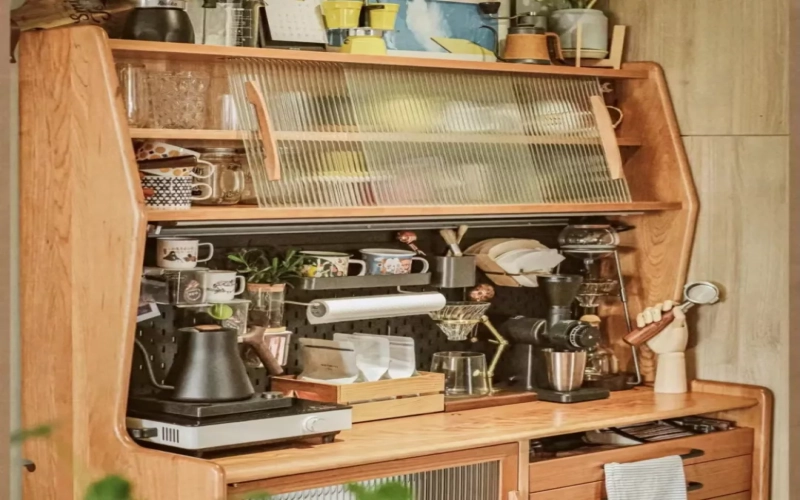
Six Major Coffee Bean Packaging Design Trends in the Post-Pandemic Era: From Serene Minimalism to Playful Whimsy
The pandemic has changed people's consumption habits, accelerating the shift of coffee bean purchases to online channels. In an increasingly competitive e-commerce environment, packaging design has become an important bargaining chip for coffee brands to stand out. Designers from 99designs by Vista, a global forum for freelance creators, discussed coffee bean packaging styles for 2022 and predicted six design directions that could dominate the market this year: serene style, text-solo style, laser style, eco-friendly style, collage style, and playful style. These styles respectively respond to consumers' current demands for inner peace, intuitive information, visual impact, sustainable development, and a relaxed atmosphere, providing valuable references for coffee brands' packaging decisions. [more…]
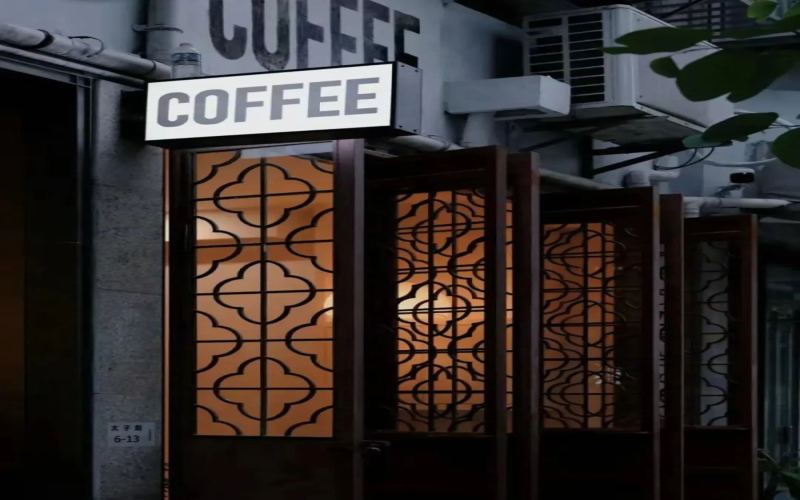
Search interest in Chinese-style coffee has surged by nearly 5,000%, with localized innovation gradually becoming a trend.
In recent years, more and more products and spaces with Chinese elements have emerged in the coffee field. From brands and bean sources to creative beverages and store designs, coffee's "Chinese flavor" has become increasingly pronounced. Data shows that in the third quarter of this year, searches for "coffee + art" increased by 3,025% year-on-year, searches for "specialty coffee" grew by 207%, and search interest in "Chinese-style coffee" surged by 4,713% year-on-year. Behind this phenomenon is not only the rise of local coffee brands and the improvement in the quality of Yunnan coffee, but also a reflection of the new generation of consumers' preference for national trends and local culture. Coffee shops have narrowed the distance between Chinese people and coffee through traditional tableware, Chinese-style interior design, and innovations with regional ingredients. Although Chinese-style coffee has not yet formed an independent school, its boundary-breaking exploration has already attracted widespread attention. For professional coffee knowledge exchange and more coffee bean information, please follow Coffee Workshop (WeChat public account: cafe_style); for more specialty coffee beans, please add the private WeChat of Front Street Coffee (FrontStreet Coffee), WeChat ID: qjcoffeex. [more…]

Why do ruin-style cafes attract young people to check in? Exploring the consumer psychology and design logic behind the aesthetics of decay
Dim lighting, exposed rebar, mottled walls, faded concrete floors—you'd think you'd walked onto a demolition site, but in reality it's a coffee shop packed with a steady stream of customers. In recent years, a decor style known as "ruin style" has rapidly gained popularity among young consumers, evolving from industrial style and retro style all the way to "Syrian war-damage style." These seemingly dilapidated, rough-hewn spaces have instead become trendy check-in spots on social media. What exactly is the aesthetic logic behind this trend? And what does it take to create a proper ruin-style coffee shop? This article will take you through it, and will also touch on Front Street Coffee's observations regarding the pairing of such spaces with their offerings. [more…]
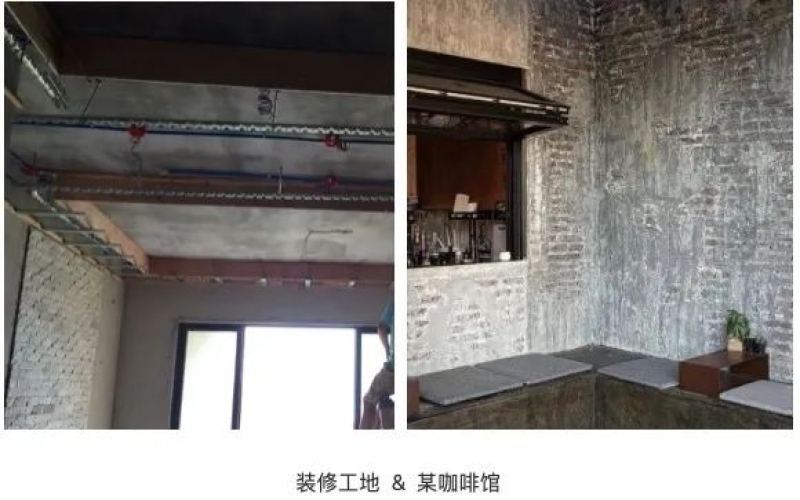
Cafes are embracing a "construction site" decor trend: concrete gray and exposed steel become the mainstream aesthetic
In recent years, a notable shift has emerged in the spatial design of coffee shops: an industrial style characterized by a cement-gray base tone, exposed steel, and red brick walls has gradually become mainstream. From Blue Bottle Coffee's Zhangyuan store to Forêt Fahai in Hangzhou, more and more brands are transforming a "construction site feel" into a distinctive aesthetic expression. Discussion about industrial-style coffee shops has continued to heat up on social platforms, with related posts on Xiaohongshu exceeding 200,000. Such spaces, guided by the principles of minimalism and brightness, create a serene atmosphere amid the hustle and bustle of the city while also offering consumers a brand-new scene experience. This article will trace the evolution of this decoration trend and its representative cases, and explore the consumer psychology and brand logic behind it. [more…]
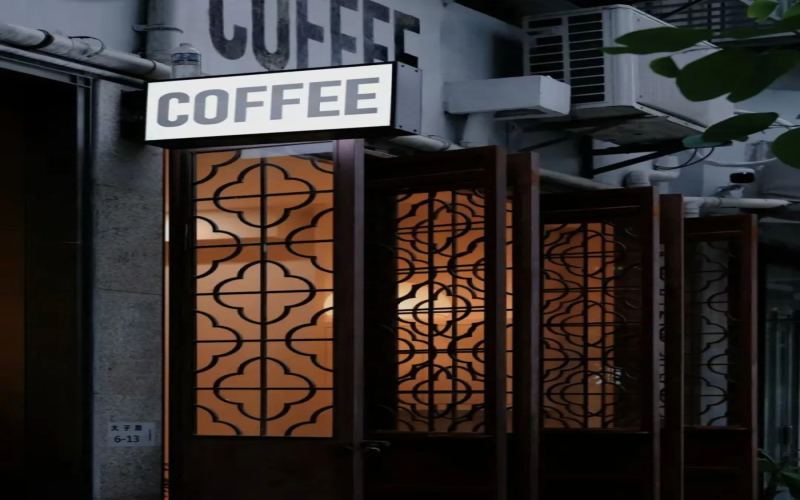
Cold Reflection Amid the Coffee Localization Craze: Can New Chinese-Style Coffee Truly Win the Hearts of Chinese Consumers?
In recent years, "new Chinese style" has become a hot topic in the food and beverage industry, and coffee is no exception. From coffee served in lidded bowls to collaborations with Chinese-style breakfasts and traditional medicinal herbs, a growing number of coffee professionals are trying to blend coffee with elements of traditional Chinese culture. This localization strategy has indeed opened up a new niche in the coffee market, drawing a great deal of attention on the back of the "national trend" wave. Yet when coffee is draped in a gorgeous Chinese-style exterior, what do people actually remember—the coffee itself, or the exquisite packaging and settings? This article takes an in-depth look at the current state of new Chinese-style coffee and its hidden concerns, reflects on whether the development of coffee culture in China has truly touched the essence, and calls for more professional attention and dedication to coffee itself. [more…]
Analyzing the Differences Between American-Style Pour-Over and Japanese-Style Pour-Over: Coffee-to-Water Ratio, Grind Size, and Chemex Iced Coffee Brewing Method
There are obvious differences between American-style pour-over and Japanese-style pour-over in technique, roast level, grind size, and water temperature. Among them, the unique stirring motion and relatively high water temperature of American-style pour-over bring out a rich and bitter flavor. This article analyzes in detail the process of making iced coffee with a Chemex, and further explores the four key extraction points: grind size, time, stirring, and temperature. At the same time, it compares through experiments the flavor differences among the direct pouring method, the standard blooming method, and the blooming-with-stirring method. The article also specifically recommends related products from Front Street Coffee, providing a practical reference for coffee lovers. [more…]
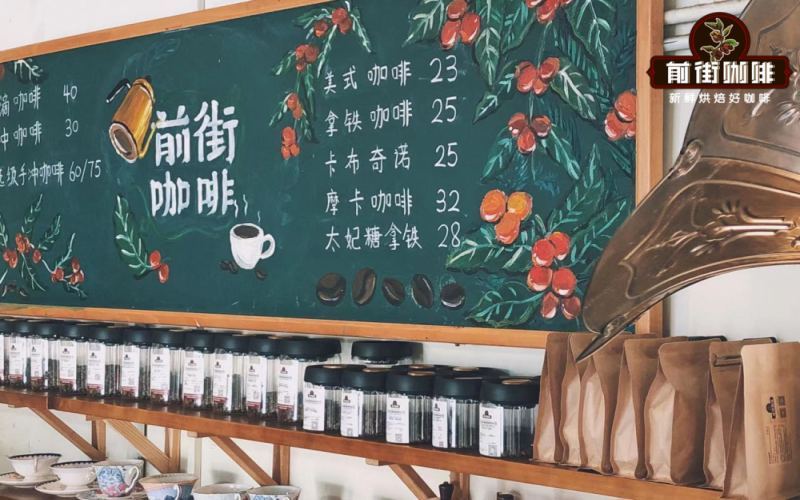
A Comprehensive Analysis of the Differences Between Espresso Blend Coffee Beans and Single-Origin Beans and the Logic of Blending
Many friends who are just getting into coffee are curious: why are blend beans used for making lattes and cappuccinos, while single-origin beans are used for pour-over? What exactly is the difference between the two? Starting from Front Street Coffee's production practices, this article systematically sorts out the definition of espresso blends, blending approaches, the original intent behind blending, and the respective pros and cons of blending raw versus roasted beans, while also explaining the importance of blending ratios and flavor harmony. The article also introduces in detail the formulas and flavor positioning of Front Street's four espresso blends, helping coffee enthusiasts choose suitable espresso beans according to their budget and taste preferences, and understand the philosophy of balance behind blending. [more…]
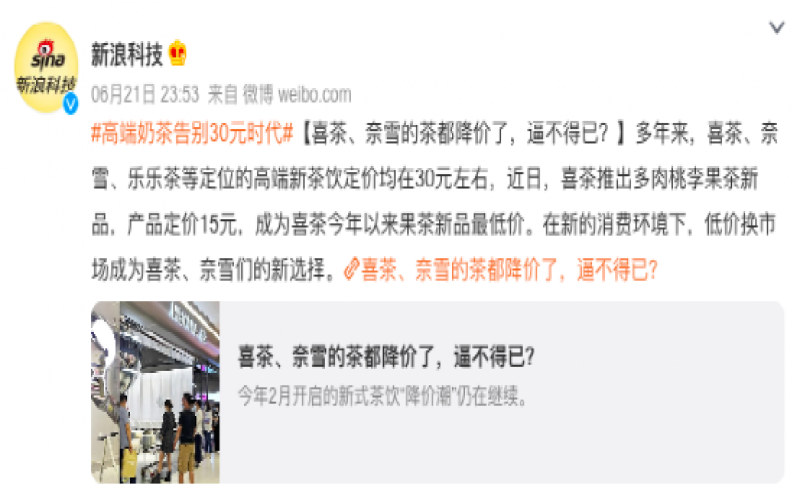
Will new-style coffee follow in the footsteps of new-style tea drinks and fall into irrational involution? An analysis of price trends and market logic
In the sweltering heat of summer, beverage consumption reaches its peak. On street corners and in alleys, young people are holding either tea drinks or coffee. But upon closer observation, one will find that new-style tea drinks and coffee are embarking on entirely different development trajectories: brands like Heytea and Nayuki are cutting prices, while Luckin Coffee and Starbucks are raising them. The coffee sector's popularity is soaring, with giants such as Huawei, Li-Ning, and China Post making cross-industry forays, intensifying competition to a fever pitch. At the same time, new-style coffee is increasingly resembling milk tea, with ingredients like cheese, matcha, and brown sugar crystal boba appearing frequently. This prompts the question: will new-style coffee repeat the mistakes of irrational involution in the new-style tea drink sector? This article will analyze from perspectives such as price changes, market positioning, and product innovation, and bring professional observations from Front Street Coffee. [more…]
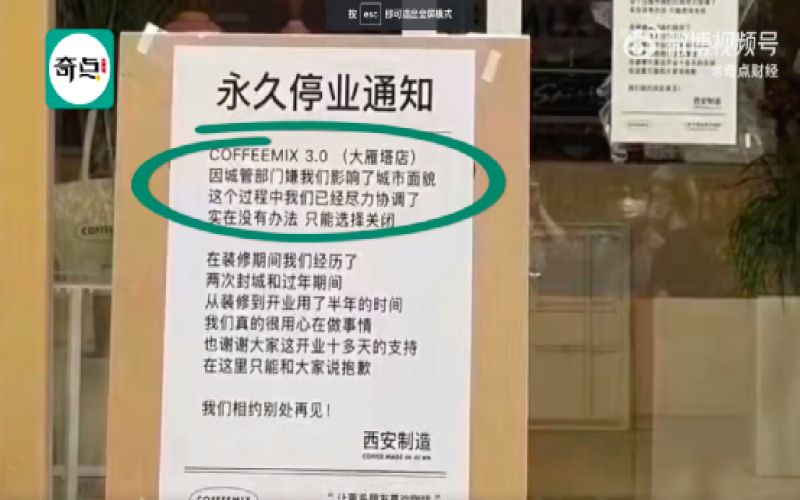
A cafe next to Xi'an's Big Wild Goose Pagoda was demolished because its exterior style did not match the district's character, and it announced permanent closure just over ten days after opening.
The decor of a coffee shop is often an important factor in attracting young consumers, and many community-oriented stores have also adopted influencer-style designs to cater to the market. However, when the appearance of a storefront conflicts with the overall style of the neighborhood it is located in, contradictions arise. A coffee shop near the Big Wild Goose Pagoda scenic area in Xi'an was asked by the urban management department to make rectifications just over ten days after opening because the color of its facade was incompatible with the surrounding Tang-style architecture. In the end, it chose to permanently close due to failure to reach an agreement. The incident sparked heated discussion among netizens: some believed that urban management should not be uniform, while others felt that areas around scenic spots should comply with unified planning. This article will recount the course of the incident and compare it with the successful case of Starbucks in Qingguo Lane, Changzhou, to explore how coffee shops and historic districts can coexist harmoniously. [more…]
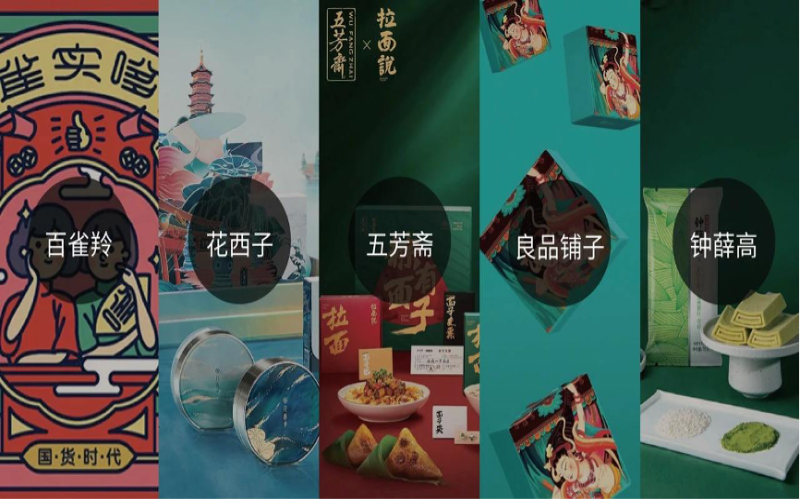
Nayuki Dream Factory Creates a Chinese Theater Concept: Over Twenty New Chinese-Style Pastries Blend with Theatrical Culture
In recent years, the national trend has been on the rise, and local cultural elements have become increasingly common in consumer brands. As a leading brand in the new-style tea beverage sector, Nayuki has abandoned its former Japanese-leaning brand image and transformed Nayuki Dream Factory into an opera space full of Chinese charm, launching more than 20 new Chinese-style pastries represented by mochi and palmiers, with each product corresponding to a classic opera such as The Drunken Concubine, The Peony Pavilion, and Farewell My Concubine. The store also displays traditional theater merchandise such as covered bowls and folding fans, creating an atmosphere of stepping into a traditional opera garden. Previously, Heytea also launched Axi Teahouse incorporating Sichuan opera elements. Against the backdrop of widespread price increases in the tea beverage industry, Heytea attracted market attention with a low price of nine yuan, and whether Nayuki's move into the national-trend pastry track can break through is worth continued attention. [more…]
How to Choose Authentic Phoenix Dancong? Key Points for Selecting Ancient Tree Dancong and a Guide to Tasting Classic Styles
Phoenix Dancong is a category of oolong tea with an extremely refined production process, and the classic style and bouquet style differ significantly in oxidation and roasting levels. When purchasing, the degree of roasting, harvest season, and aging time all affect the final quality performance. Starting from the characteristics of the classic style, this article sorts out the influence of roast level on flavor and gives practical buying advice for ancient-tree Dancong, including price ranges, origin identification, and how to judge whether a tea is worth buying through taste rather than stories. It also discusses brewing methods and pairing scenarios to help you better appreciate the charm of Phoenix Dancong in everyday drinking. Front Street Coffee also often uses these standards as a reference in its daily selection. [more…]

Using a lid for true blooming? The principles, parameters, and complete practical breakdown of the Matsuya-style brewing method
Have you ever seen a brewing method that uses a lid to "steep" coffee? This is no joke—it's the "Matsuya-style brewing" that originated in Japan in 1962. It uses a pot lid to achieve true blooming, paired with ultra-high pouring and an ultra-concentrated coffee-to-water ratio, then restores the flavor through bypass dilution. The core pursuit of this method is "stability": allowing both freshly roasted beans and beans that have rested for a week to fully release their gases during the blooming stage, thereby avoiding extraction fluctuations caused by differences in degassing. This article will provide a complete breakdown of Matsuya-style brewing, from its invention background and design logic to specific parameters, and using dark-roasted Sumatra·Golden Mandheling as an example, present Front Street Coffee's hands-on steps and tasting notes, taking you to experience the unique charm of this classic Japanese brewing method. [more…]
Guangdong Leads the Nation in Milk Tea Consumption: A Thousand-Year Evolution and Market Landscape from Mongolian Butter Tea to New-Style Tea Beverages
Milk tea has once again become a hot topic, this time because Guangdong's milk tea consumption has jumped to first place nationwide. Alipay's spring report shows that warmer weather has driven an overall 10% increase in milk tea consumption, with online orders from middle-aged and elderly groups surging by 25%. From the fact that southern provinces account for 80% of consumption to Guangdong residents drinking 2.5 more cups per week per person than those in the Northeast, the data behind this reflects the deep penetration of milk tea culture. This article will trace the thousand-year evolution of milk tea from Mongolian butter tea to Hong Kong-style and Taiwanese-style, and then to new-style tea drinks, analyze the capital layout and brand echelons under a market scale of hundreds of billions, and remind readers: although milk tea is good, do not be greedy. [more…]
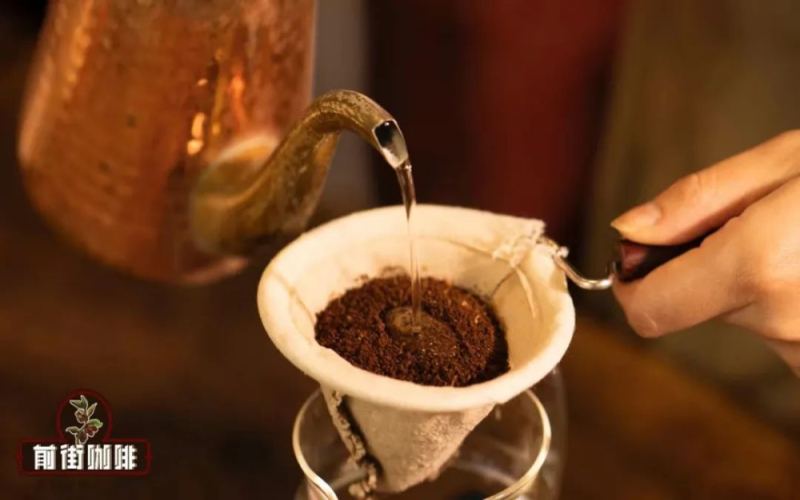
Comparison of the Three Major Japanese Dark Roast Brewing Methods: Principles and Operational Characteristics of Kono Drip, Matsuya-Style, and Volcano Brewing
Deep-roasted coffee beans are known for their rich, mellow bitterness, and the Japanese brewing tradition includes three classic methods designed specifically for such beans: the Kono drip method, the Matsuya-style brewing, and the volcano pour. Though they take different paths, their core goal is the same—to fully unlock the steady, grounded flavors of dark-roasted beans. The Kono method uses drip-style blooming to extend degassing time, the Matsuya style pursues stable extraction through ultra-high pouring and an extra-long bloom, while the volcano pour creates an erupting effect with segmented small-circle pours. All three generally use a higher coffee-to-water ratio, and some require bypass dilution. This article breaks down each method's origins, operating logic, and flavor profile one by one, and explains why these approaches are better suited to dark-roasted beans. [more…]
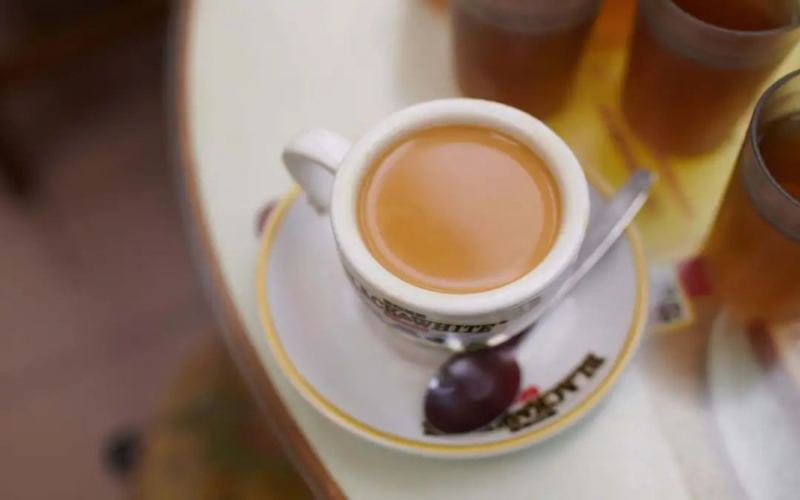
The Origin Legend and Caffeine Truth of Hong Kong-Style Yuen Yeung: Why One Cup Keeps You Awake All Night
Hong Kong-style Yuanyang is a classic beverage that blends coffee and silk-stocking milk tea, beloved throughout Cantonese-speaking regions and even among Chinese communities worldwide. Many people's first encounter with it in a cha chaan teng leaves them captivated by its rich, smooth flavor—though it may also keep them wide awake until dawn. Where exactly did this drink come from? Why is its caffeine content so astonishingly high? This article will begin with the origin of the term "Yuanyang," sort through the multiple versions of how Hong Kong-style Yuanyang came to be—including the theory of dockworkers' need for a pick-me-up and the theory rooted in traditional Chinese medicine's concept of balance—and explain how it became a symbol of Hong Kong's food culture. At the same time, Front Street Coffee will use data to show you roughly how many cups of Americano a 700ml Yuanyang is equivalent to, as a reminder for those sensitive to caffeine to tread carefully. [more…]
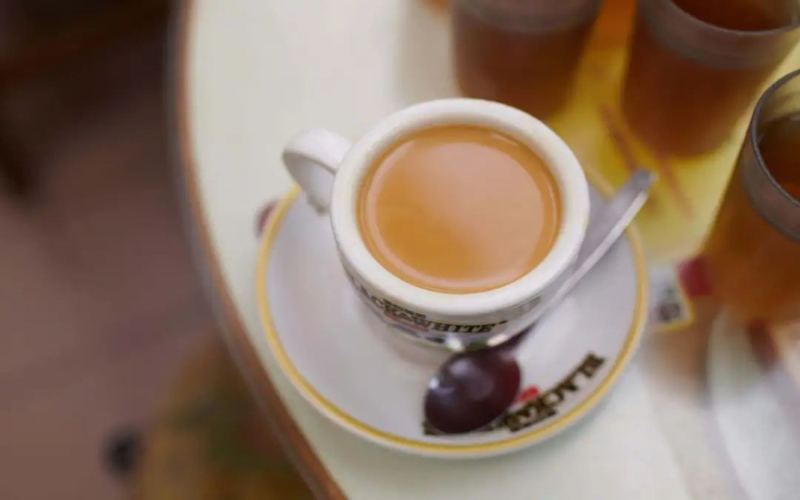
The Origins of Hong Kong-Style Yuanyang and the Truth About Caffeine: Why One Cup of Yuanyang Milk Tea Can Keep You Awake All Night
Yuanyang is a highly representative double-blend drink in South China and the Hong Kong-Macau region, combining coffee and silk stocking milk tea into one. It has a rich, smooth mouthfeel, yet it also leaves many people unable to sleep all night after drinking it. Why is it called "Yuanyang"? What versions circulate about its origin? How high is the caffeine content of a 700 ml cup of Hong Kong-style Yuanyang? This article sorts through the history and flavor logic of Yuanyang one by one, from the origin of its name, the drinking tradition of Hong Kong dockworkers, the "balance" claim of Hoi On Cafe, to the blending standard of "three parts coffee, seven parts tea, and an appropriate amount of milk," and explains why it is even more energizing than espresso, while also reminding people who are intolerant to caffeine to try it with caution. [more…]
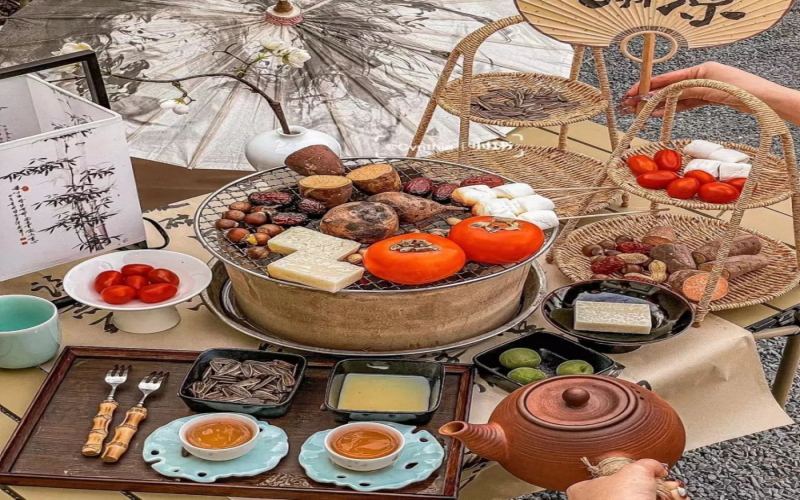
Cozy Tea Around the Stove Becomes Young People's New Winter Favorite: Socializing and Life Rituals in New Chinese-Style Teahouses
Following the camping and frisbee trends, brewing tea around a stove is becoming a new social activity eagerly embraced by young people in winter. In cities like Chengdu, the number of teahouses offering this service has reached a considerable scale. Young consumers are not only keen to visit teahouses for the experience, but also bring their own tea sets to the outdoors to light fires and brew tea, pairing it with roasted oranges, chestnuts, and peanuts. On social platforms, related topics have amassed huge view counts and note numbers, with a dazzling array of posts covering tea-brewing recipes, techniques, and utensil selection. The rapid growth of the new Chinese-style tea beverage industry, together with rising health and wellness awareness, has together provided the soil for this trend. Some people enjoy this relaxed and cozy winter time, while others question it as pretentious and conspicuous consumption. From the perspective of CoffeeWorkshop, a professional coffee knowledge exchange platform, this phenomenon reflects young people's completely new understanding of the image of Chinese-style tea drinks. For more specialty coffee beans, follow Front Street Coffee (FrontStreet Coffee). [more…]
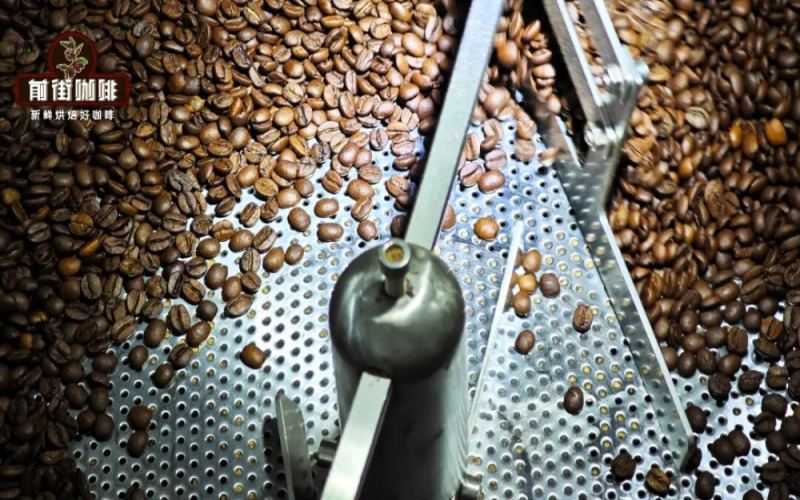
The Historical Origins of Japanese Ultra-Dark Roast Coffee: Why Japanese People Are Drawn to This Rich Flavor
At a time when specialty coffee is widely chasing the light-roast fruit acidity, Japanese-style dark roasting stands out with its unique low-heat, slow-roasting approach. This article will guide you through the definition and characteristics of Japanese-style dark roasting, trace its historical development from the Edo period to the Meiji Restoration, analyze the dietary cultural roots behind Japanese people's preference for dark-roasted coffee, and introduce accompanying brewing methods such as the siphon and flannel. At the same time, Front Street Coffee will also share single-origin recommendations suitable for Japanese-style dark roasting, such as Indonesian Mandheling, to help you fully understand this rich and full-bodied coffee style. [more…]